
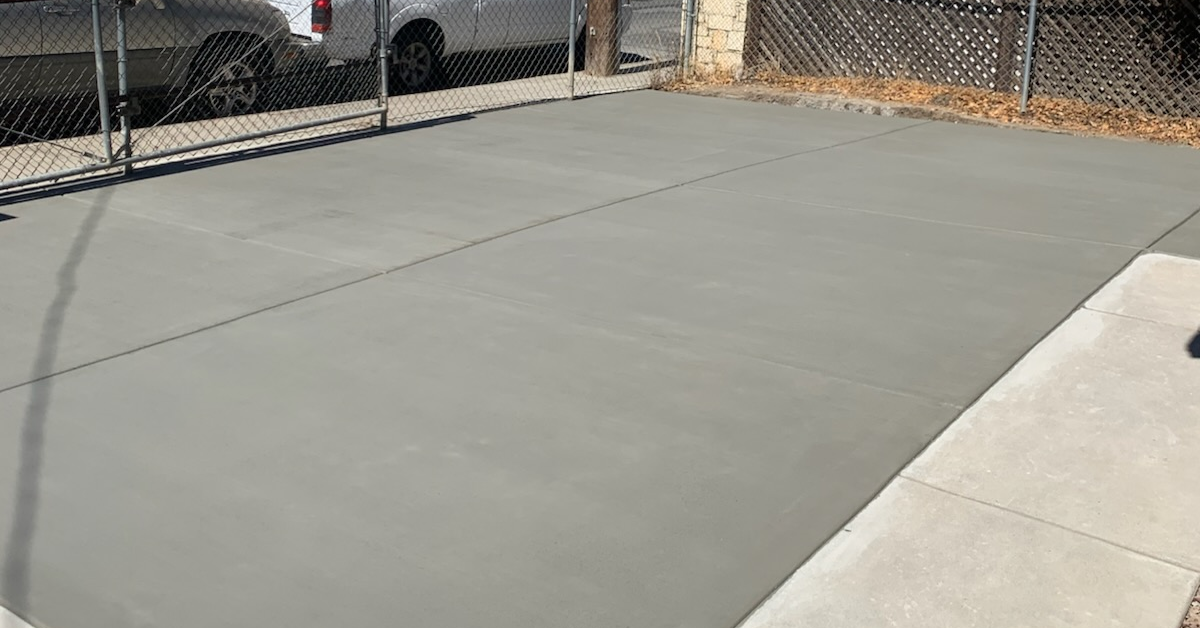
A patio should be more than an empty patch of concrete behind your home. It should be a place where you enjoy morning coffee, host weekend barbecues, relax with family, and make the most of your outdoor space. With the right stamped concrete design, you can create a patio that looks stylish, feels inviting, and suits the way you live.
For homeowners exploring Stamped Concrete Patio Ideas for Modern Outdoor Spaces, the options go far beyond basic gray concrete. You can choose patterns that resemble natural stone, colors that complement your home, and finishes that give your backyard a fresh, custom look. A well planned patio also makes outdoor furniture, lighting, landscaping, and entertainment areas feel like parts of one complete design.
At Baca Concrete, we help homeowners turn their outdoor ideas into practical concrete spaces. Our approach focuses on the appearance, layout, and durability of your patio, so you can choose a design that works for your property and everyday needs.
Table of Contents
- Why Stamped Concrete Works for Modern Outdoor Spaces
- Seven Stamped Concrete Patio Ideas Worth Considering
- Planning Concrete Patio Installation in San Jose
- Choosing and Maintaining the Right Concrete Patio
- Frequently Asked Questions About Stamped Concrete Patios
Why Stamped Concrete Works for Modern Outdoor Spaces
Stamped concrete gives you the strength of a concrete surface with the decorative appeal of materials such as stone, brick, tile, and wood. Before the concrete fully hardens, installers press selected patterns into its surface. Color can be added through suitable coloring methods to create depth and a more natural appearance.
The result can look detailed and high end without requiring individual stones or pavers across the entire patio.
A Custom Look Without Individual Pavers
Natural stone and brick can look beautiful, but laying each piece takes careful placement. Stamped concrete creates a continuous surface with a pattern that resembles these materials. This can help homeowners achieve a coordinated appearance while keeping the number of individual pieces and joints to a minimum.
Stamped concrete still needs proper installation, control joints, and maintenance. It can also develop cracks, so choosing a suitable layout and installation method matters.
A Patio That Complements Your Home
Modern outdoor design often connects indoor and outdoor living areas. A stamped patio can help create that connection through matching colors, clean edges, and patterns that complement your home’s architecture.
For example, a home with large windows, neutral walls, and simple landscaping may look best with a smooth stone pattern in a warm gray shade. A home with traditional brick details might suit a brick inspired pattern in muted red or brown.
The key is to select a design that feels like a natural extension of your home rather than an unrelated feature in the backyard.
Practical for San Jose Homes
San Jose homeowners can enjoy outdoor spaces throughout much of the year. A well planned Concrete Patio in San Jose project can provide a useful area for dining, entertaining, gardening, or simply relaxing outdoors.
However, sunny weather does not remove the need for proper preparation. Soil conditions, drainage, exposure to sunlight, and seasonal rain all affect how a concrete patio performs. We recommend considering these factors before selecting a decorative finish.
2. Seven Stamped Concrete Patio Ideas Worth Considering
The best patio design is one that fits your home’s style and the way you plan to use the space. Here are seven ideas that can help you create a more inviting backyard.
Idea 1: Large Slate Patterns for a Clean, Modern Look
Large slate patterns are an excellent choice if you prefer a contemporary outdoor setting. They create the appearance of broad stone slabs, giving the patio a structured and uncluttered feel.
Choose charcoal, medium gray, or a soft blend of gray and brown. These shades pair well with black outdoor furniture, neutral cushions, metal planters, and simple landscaping.
Large patterns can also make a small patio feel less busy because the surface has fewer visual divisions. If your goal is a modern dining area or a quiet outdoor lounge, this design is worth considering.
Best for: Contemporary homes, minimalist gardens, and outdoor dining spaces.
Idea 2: Natural Flagstone for a Relaxed Backyard
Not every modern patio needs sharp lines and dark colors. Flagstone patterns offer a more organic appearance, with irregular shapes that resemble natural stone.
This design works particularly well when you want your patio to blend with trees, shrubs, garden beds, or a lawn. Tan, sandstone, muted brown, and warm gray can help create a natural transition between the concrete and the surrounding landscape.
Consider placing comfortable seating around the edges and using potted plants to soften the space. The result can feel welcoming without looking overly formal.
Best for: Family backyards, garden patios, and homes with natural landscaping.
Idea 3: Wood Plank Stamps for Warmth Without Timber
Do you like the appearance of a wooden deck but prefer a concrete surface? Wood plank stamped concrete offers another option.
The pattern imitates the lines and grain of timber while maintaining a concrete base. Brown, weathered gray, and muted oak shades can create a warm appearance that works well with outdoor dining tables and lounge furniture.
Concrete does not rot like untreated wood, although it can still crack, stain, or lose color over time. The stamped texture and finish also need suitable care.
Think about how the wood pattern will look beside your home’s exterior and existing decking, if any. A balanced color choice can make the entire outdoor area feel more connected.
Best for: Modern rustic homes, outdoor lounges, and patios with warm neutral colors.
Idea 4: Geometric Patterns for a Distinctive Patio
If you want something more eye catching, consider geometric stamped patterns. Repeating squares, rectangular layouts, and cube inspired designs can create a striking visual effect.
These patterns work well in spaces with simple furniture and restrained landscaping. Let the concrete design become the main feature instead of adding too many competing decorations.
For a refined finish, use one primary color and a subtle contrasting shade. Strong contrasts can make the pattern stand out, while softer combinations create a quieter appearance.
Best for: Contemporary homes, statement patios, and entertaining areas.
Idea 5: Brick Patterns With a Fresh Twist
Brick patterns are a reliable choice for homeowners who appreciate a classic appearance but want a continuous concrete surface.
A traditional running bond pattern can complement many home styles. For a more modern look, consider muted terracotta, gray brick tones, or a less contrasting color combination.
You can also use the brick pattern to define separate areas within a larger patio. For example, the dining area might have a different stamped layout from the surrounding seating space.
Best for: Traditional homes, outdoor dining areas, and patios that connect to brick pathways.
Idea 6: Two Tone Concrete for More Depth
Color does not have to be limited to one shade. Two tone stamped concrete uses complementary colors to create depth and highlight the pattern.
A warm beige base with brown accents can resemble natural stone. A light gray surface with darker details can suit a contemporary property. The goal is to add enough contrast to make the texture visible without overwhelming the space.
Before choosing colors, look at your roof, exterior walls, fencing, and landscaping. These existing features can help guide your palette.
Remember that the final appearance depends on the concrete mix, coloring method, application, lighting, and sealer. A sample or project reference can help you set realistic expectations.
Best for: Homeowners who want a custom finish and more visual detail.
Idea 7: A Stamped Patio With an Outdoor Dining Zone
A patio should look good, but it should also make everyday activities easier. One practical design idea is to use stamped concrete to define an outdoor dining zone.
Choose a broad stone or brick pattern for the main surface. Position the dining table where people can move around it comfortably, and leave enough space for chairs to slide out. If you plan to add a grill, consider its location, ventilation, and safe clearance from walls and seating.
You can use planters, outdoor lighting, and a pergola to make the area feel complete. The stamped surface ties these features together without needing several different paving materials.
For larger yards, you could create a separate lounge area with a different furniture arrangement. Consistent colors will help both spaces feel connected.
Best for: Families, frequent hosts, and homeowners who want their patio to serve more than one purpose.
3. Planning Concrete Patio Installation in San Jose
A beautiful pattern cannot make up for poor preparation. Before choosing your finish, think about the patio’s size, location, drainage, and intended use. These decisions affect how the finished surface looks and performs.
Start With the Purpose of Your Patio
First, decide what you want to do outdoors. A small seating area has different space requirements from a patio designed for large gatherings.
Consider these questions:
- Will you use the patio mainly for dining, relaxing, or entertaining?
- How many people should it accommodate?
- Do you need space for a grill, planters, or an outdoor kitchen?
- Will the patio connect directly to a doorway, garden path, or lawn?
- Do you want a shaded area or an open space for sunlight?
Answering these questions early helps you choose a practical layout rather than focusing only on the pattern.
Think About Drainage and Ground Preparation
Water management deserves attention during every patio project. The ground needs appropriate preparation, and the finished surface must direct water away from the house and other vulnerable areas.
Poor drainage can lead to standing water, erosion around the edges, and other problems. The right grading and slope depend on the site, so these details should be evaluated before installation.
The base, concrete thickness, reinforcement where appropriate, and joint layout should also suit the site’s conditions and expected use. Concrete naturally shrinks as it cures, and temperature changes can contribute to movement. Properly planned control joints help manage where cracking is more likely to occur, although they cannot guarantee a crack free surface.
Choose a Pattern That Fits the Available Space
Large stone patterns can make compact patios feel less crowded. Smaller brick patterns can add detail to broad areas. Geometric designs can establish a focal point in a simple backyard.
We recommend viewing the patio as part of the whole property. Consider how the pattern will look from inside your home, where the sun falls, and how the patio connects to nearby landscaping.
Professional Concrete Patio Installation services in San Jose can help you evaluate the layout, surface preparation, and finish options before work begins.
At Baca Concrete, we offer concrete patio and stamped concrete services for homeowners looking to create outdoor spaces that suit their needs. You can learn more about our work on our concrete services page.
4. Choosing and Maintaining the Right Concrete Patio
Stamped concrete can offer a good balance of appearance and practicality, but the right choice depends on your budget, preferences, and willingness to maintain the surface.
What Colors and Finishes Should You Choose?
Start with the colors already present around your home. Warm exterior finishes often pair well with beige, brown, and sandstone tones. Cooler gray walls and dark trim may suit charcoal- or slate-inspired patterns.
You should also consider how the patio will look in direct sunlight. Dark colors may absorb more heat, while lighter surfaces can reflect more sunlight. The actual surface temperature depends on several factors, including the material, color, shade, and weather.
Texture matters as well. A highly detailed pattern can create a natural stone appearance, while a more restrained texture may suit a modern home. Ask about the finish’s traction when wet, especially if the patio will be near a pool or an area exposed to frequent moisture.
How Much Does a Stamped Concrete Patio Cost?
There is no single price that applies to every patio. The total cost depends on the size of the area, site access, ground preparation, concrete requirements, pattern complexity, coloring method, labor, and sealing.
A straightforward design on a well-prepared site will generally involve different costs from a large patio with multiple colors, intricate patterns, or extensive preparation.
When requesting an estimate, ask for a clear breakdown of the work included. Confirm whether the price covers site preparation, materials, stamping, color, control joints, cleanup, and sealing. It is also worth asking about additional costs if the site conditions differ from the initial assessment.
Comparing written estimates can help you understand the value offered by each contractor instead of choosing based on price alone.
How Can You Protect Your Investment?
Routine care helps preserve the patio’s appearance and makes it easier to use over time.
Follow these simple practices:
- Sweep away leaves, dust, and loose dirt regularly.
- Wash the surface with water and a suitable mild cleaner when needed.
- Remove food, grease, and other spills promptly to reduce staining.
- Avoid harsh cleaning products that may damage the finish or sealer.
- Follow the installer’s guidance on when to apply a sealer and how often to renew it.
- Inspect the surface occasionally for cracks, damaged areas, or signs of drainage problems.
- Use furniture pads where appropriate to limit scratching and abrasion.
Sealing can help protect the surface from moisture penetration and staining, but it does not make concrete completely waterproof or eliminate maintenance. The suitable sealer and reapplication schedule depend on the product, exposure, and amount of use.
Avoid applying a new sealer simply because the calendar says it is time. Follow the product instructions and check that the existing surface is clean and suitable for resealing.
Stamped Concrete or Pavers: Which Is Better?
Both options can work well in modern outdoor spaces, but they offer different advantages.
Stamped concrete provides a continuous surface with a decorative pattern. It can create the look of stone or brick without laying each piece individually. However, cracks can occur, and repairs may be difficult to blend perfectly with the original color and texture.
Pavers consist of individual units separated by joints. If a paver becomes damaged or settles, it may be possible to lift and replace or reset that section. Pavers also offer many colors, shapes, and layouts, although weeds, joint sand loss, and shifting can require maintenance.
Your decision should reflect the appearance you want, the site conditions, the installation budget, and your long term maintenance preferences. Neither option is automatically better for every home.
Create an Outdoor Space That Feels Like Home
A well-designed patio gives you more ways to enjoy your home. It can become a quiet place to unwind, a comfortable dining area, or the setting for gatherings with friends and family. The right stamped concrete pattern brings style to the space, while thoughtful planning helps make it practical for everyday use.
When comparing Stamped Concrete Patio Ideas for Modern Outdoor Spaces, focus on more than color and pattern. Consider the patio’s layout, drainage, surface finish, and maintenance needs. These details help you make a choice that looks good and works for your property.
If you are planning a new patio, we invite you to contact Baca Concrete to discuss your ideas and request a free estimate. Together, we can help you plan a concrete outdoor space that reflects your style and makes better use of your backyard.
5. Frequently Asked Questions
Is stamped concrete a good choice for outdoor patios in San Jose, CA?
Yes, stamped concrete can be a practical choice for a San Jose patio when it is properly designed and installed. It offers a wide range of patterns and colors, and the concrete surface can handle everyday outdoor use. Good site preparation, drainage, suitable control joints, and appropriate sealing are important. The final choice should also account for sun exposure, soil conditions, and the way you plan to use the patio.
How much does it cost to install a stamped concrete patio?
The cost depends on patio size, site preparation, concrete requirements, pattern complexity, color choices, labor, and sealing. Custom designs with multiple colors or intricate patterns may cost more than simpler finishes. Because every property is different, request a project specific estimate. Ask the contractor to explain what is included so you can compare quotes fairly.
How do you maintain and protect a stamped concrete patio?
Sweep the patio regularly, clean spills promptly, and use suitable cleaning products. Keep drainage paths clear and inspect the surface for changes or damage. Apply a compatible sealer according to the manufacturer's instructions and the installer's recommendations. Avoid aggressive chemicals and abrasive cleaning methods that could affect the finish.
Is stamped concrete better than pavers for a modern outdoor patio?
Stamped concrete may be the better choice if you prefer a continuous surface with a custom pattern and fewer individual units. Pavers may suit you better if you want individual pieces that can be replaced or reset more easily. Both can look attractive and last when installed and maintained correctly. Consider the initial budget, repair options, appearance, and long term care before deciding.
Leave a Reply