
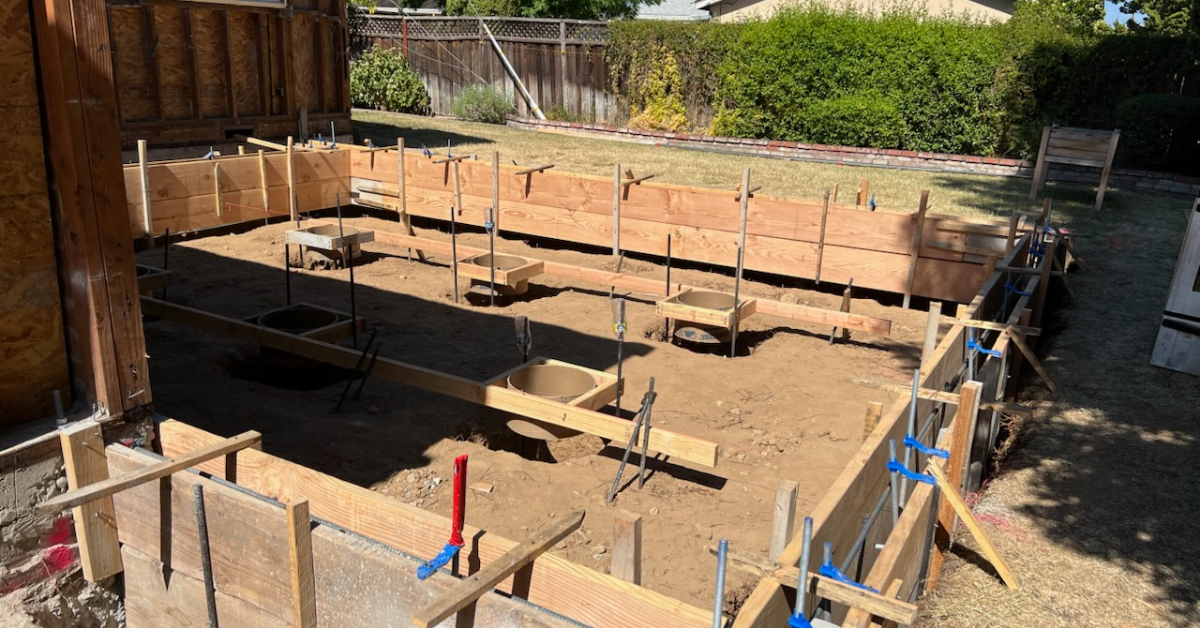
A small crack in a wall might not seem like a big deal. A door that suddenly sticks may feel like a minor annoyance. But when these changes appear together, they could point to a problem beneath your property. Your foundation supports the entire structure, so changes in the ground, water movement, or building movement deserve attention.
Knowing foundation repair can help you spot warning signs before they develop into larger concerns. San Francisco properties face a mix of challenges, including seasonal rainfall, varied soil conditions, steep slopes in some neighbourhoods, and earthquake activity. These factors make it important to pay attention to changes in your home’s walls, floors, doors, and foundation.
At Baca Concrete, we understand the value of sound concrete construction and careful attention to structural surfaces. In this guide, we explain the common signs of possible foundation trouble, why these issues occur, and when to seek an assessment from a qualified structural professional.
Table of Contents
- What Are the Common Signs You Need Foundation Repair in San Francisco
- What Causes Foundation Problems in San Francisco?
- Why Early Assessment Matters for Homes and Commercial Buildings
- How to Respond When You Notice Foundation Damage
- Frequently Asked Questions About Foundation Problems
What Are the Common Signs You Need Foundation Repair in San Francisco
Foundation problems rarely announce themselves with one obvious sign. Sometimes, the first clue is a thin crack near a window. In other cases, a floor starts to slope, or several doors become difficult to close. The important thing is to look at the pattern, location, and progression of these changes.
Here are five warning signs worth watching.
Cracks in walls, ceilings, and exterior masonry
Hairline cracks can appear as concrete dries, paint ages, or building materials expand and contract. Not every crack signals a serious problem. However, cracks that keep growing, appear suddenly, or form diagonal lines near doors and windows deserve closer attention.
Watch for:
- Diagonal cracks extending from the corners of windows or doors.
- Stair step cracks following the mortar joints in brickwork.
- Cracks that become wider or longer over time.
- Gaps between walls, ceilings, and adjoining surfaces.
- Cracks accompanied by sloping floors or sticking doors.
A single crack cannot confirm foundation damage. Its size, direction, location, and rate of change all matter. Photographing a crack and recording the date can help you track whether it changes.
Doors and windows that suddenly stick
Have you noticed a door rubbing against its frame or a window that no longer opens smoothly? Changes in a building’s alignment can affect these openings. Foundation movement is one possible cause, particularly when several doors and windows develop problems around the same time.
Other factors, such as swollen wood, worn hinges, and seasonal humidity, can also cause sticking. Look for additional signs before drawing conclusions. A door that sticks alongside new wall cracks or visible floor changes deserves more attention than an isolated door problem.
Uneven or sloping floors
Floors should feel reasonably stable underfoot. If you notice a new slope, a soft spot, or a gap between the floor and the baseboard, the supporting structure may need inspection.
Possible causes include foundation settlement, damaged floor framing, moisture exposure, or deterioration beneath the floor. Do not assume the foundation is responsible without a proper assessment.
Pay particular attention when an uneven floor develops gradually or appears alongside cracks in nearby walls. These combined signs may indicate movement that needs further investigation.
Gaps around the foundation or exterior walls
Walk around your property and look at the visible foundation. Check for cracks, sections that appear displaced, and gaps where exterior walls meet adjoining concrete surfaces.
You might also notice that a porch, walkway, or patio has separated from the building. This separation can result from different rates of settlement, soil movement, or changes in the materials themselves.
Exterior concrete can move independently of the building foundation. A gap between a patio and a wall does not automatically mean the house is unstable, but it can help identify areas that need a closer look.
Water intrusion and recurring moisture
Damp basement walls, water entering through cracks, persistent puddles near the building, and musty smells can indicate drainage or waterproofing concerns.
Moisture does not automatically mean the foundation has failed. However, water can contribute to soil movement, increase pressure against below grade walls, and accelerate deterioration when it reaches vulnerable materials.
If water repeatedly collects near your foundation after rain, inspect the drainage conditions around the property. Persistent moisture combined with visible cracking or movement warrants professional evaluation.
What Causes Foundation Problems in San Francisco?
San Francisco’s location, terrain, and building conditions make it important to understand what lies beneath a property. Two buildings on the same street can respond differently to similar weather because their foundations, soil conditions, age, and construction histories may differ.
Soil movement and settlement
Soil supports the foundation and transfers the building’s weight into the ground. When soil compresses unevenly, loses support, or changes volume, parts of a structure may settle at different rates.
Settlement can occur in newer buildings as the ground adjusts to loading. Older properties may also experience movement associated with changing soil conditions or past construction work.
The key concern is uneven settlement, which can place stress on walls, floors, and other building components.
Rainfall and poor drainage
Water management is one of the most important factors in protecting a foundation. Downspouts that release water beside the building, blocked drains, and ground that slopes toward the property can allow water to collect where it should not.
Repeated wetting can soften certain soils or contribute to erosion. In some conditions, changes in soil moisture can also cause expansion and contraction.
To reduce avoidable moisture problems, make sure gutters remain clear, downspouts direct water away from the building, and the surrounding ground does not funnel runoff toward the foundation. Drainage changes should be planned carefully so they do not send water onto neighboring properties.
Earthquakes and ground conditions
Earthquakes can place significant forces on buildings. Depending on the strength of the shaking, construction type, and local ground conditions, a property may develop cracks, experience movement, or sustain damage to structural connections.
Some areas also have ground conditions that can increase earthquake-related risks, including liquefaction in susceptible soils. San Francisco’s building and geotechnical guidance recognizes the importance of assessing site conditions when designing foundations and evaluating certain structures.
After a noticeable earthquake, check for new cracks, displaced foundation sections, leaning walls, and doors or windows that suddenly stop working. If you suspect structural damage, arrange a qualified assessment rather than relying on cosmetic patching.
Aging materials and previous construction work
Older buildings may have deteriorated concrete, outdated drainage systems, or past alterations that affect how loads move through the structure. Poorly compacted fill, nearby excavation, and changes to the surrounding landscape can also influence ground support.
A property’s age alone does not mean it has a foundation problem. What matters is the condition of its materials, the quality of its original construction, and whether the building has developed new signs of movement.
Why Early Assessment Matters for Homes and Commercial Buildings
Ignoring a developing problem can make it harder to understand its cause. A small crack may remain stable for years, while a different crack may widen as movement continues. An early assessment helps establish what is happening and whether action is necessary.
Why homeowners should pay attention
For homeowners, foundation concerns can affect more than appearance. Persistent movement may damage interior finishes, affect doors and windows, disturb plumbing connections, and create uneven floors.
Early evaluation can help distinguish ordinary material shrinkage from signs of structural movement. It can also prevent unnecessary spending on cosmetic work before the underlying cause is understood.
If you plan to sell your home, documented inspections and records of previous concerns can also help you answer questions about the property’s condition.
What commercial property owners should watch for
Commercial buildings have additional considerations. A warehouse, retail space, office, or multifamily property may have heavier loads, wider floor areas, specialized equipment, or greater occupancy requirements.
For these buildings, San Francisco Commercial Foundation Repair may be a search term owners encounter when investigating structural concerns. However, the appropriate response depends on the actual condition of the building and the findings of a qualified professional.
Commercial property owners should watch for:
- New cracks in structural walls or concrete floors.
- Changes in floor level that affect equipment or access.
- Water entering basements, storage areas, or service rooms.
- Separation around columns, walls, and adjoining surfaces.
- Damage that appears after nearby excavation or earthquake activity.
A structural engineer can assess the building, determine whether movement affects its safety or function, and recommend the appropriate next steps. Depending on the findings, those steps might involve monitoring, drainage improvements, concrete work, or specialized structural intervention.
The value of choosing the right professional
Foundation concerns can involve several different trades. A concrete contractor may assess visible concrete conditions within their scope, while a structural engineer evaluates structural behavior and determines whether movement affects the building’s stability.
For San Francisco Foundation Repair concerns, start by identifying the problem and obtaining the right professional assessment. Do not assume every crack requires major work or that filling a crack will resolve its cause.
At Baca Concrete, we recognize that sound concrete work starts with understanding the project and its requirements. When a concern involves possible structural movement, the right specialist should establish the cause before any repair approach is selected.
How to Respond When You Notice Foundation Damage
Finding a crack or uneven surface can feel worrying, especially when you do not know whether it is getting worse. A few practical steps can help you document the problem and make a more informed decision.
Step 1: Record what you see
Take clear photographs of the affected areas. Include a nearby object or measuring scale for reference, and record the date. Photograph the same area again later to check for changes.
Note whether the crack is horizontal, vertical, or diagonal. Record any related issues, such as sticking doors, water intrusion, or changes in floor level.
Step 2: Check the surrounding area
Look for obvious drainage concerns. Check whether gutters are overflowing, downspouts discharge beside the building, or soil slopes toward the foundation.
You can correct simple maintenance issues, such as clearing a blocked gutter, when it is safe to do so. Avoid digging beside the foundation or changing ground levels without understanding the possible effects.
Step 3: Arrange a professional assessment
Contact a qualified structural engineer or other appropriate building professional if cracks are widening, several warning signs appear together, or the building seems to be moving.
Seek urgent professional help if you notice substantial new displacement, leaning structural walls, sudden severe cracking, or other signs that the building may be unsafe. Keep people away from affected areas until a qualified professional assesses the risk. If there is an immediate danger, contact emergency services.
Step 4: Understand the recommended solution
Ask the professional to explain the suspected cause, the evidence supporting the assessment, and the available options. Request a written scope of work and an itemized estimate where work is recommended.
Depending on the findings, the next step may involve drainage improvements, monitoring, concrete maintenance, or specialist structural work. The correct option depends on the cause, not simply the appearance of the crack.
Step 5: Address water and maintenance issues
Keep gutters and drainage paths clear. Direct roof runoff away from the building where permitted, and avoid allowing water to collect against foundation walls.
Inspect accessible areas periodically, especially after heavy rainfall or noticeable ground movement. Consistent maintenance helps you identify changes early, although it cannot prevent every foundation problem.
Protect Your Property by Paying Attention to the Signs
A foundation problem does not always begin with a dramatic crack or a visibly uneven building. Sometimes, the first clue is a door that sticks, a small gap near a wall, or water that repeatedly collects outside. Paying attention to these changes helps you understand when routine maintenance may be enough and when professional advice is necessary.
San Francisco properties vary in age, construction, and ground conditions, so the right response depends on the individual building. Document changes, manage drainage carefully, and seek qualified guidance when several warning signs appear together.
Our approach at Baca Concrete is grounded in the value of durable concrete work and careful project planning. When a concern goes beyond visible concrete conditions and involves possible structural movement, obtaining the right professional assessment is an important first step toward protecting your property.
Frequently Asked Questions About Foundation Problems
How much does foundation repair cost in San Francisco?
The cost varies widely according to the cause of the problem, the building's size, soil conditions, accessibility, and the work required. Minor drainage improvements or localized concrete work may cost much less than specialized structural intervention. There is no reliable single price for every property. Request an on site assessment and a written, itemized estimate before approving work. If structural movement is suspected, confirm the cause before comparing prices.
When should you hire a professional foundation repair contractor?
Seek a professional assessment when cracks grow, foundation sections appear displaced, floors develop new slopes, several doors or windows begin sticking, or water repeatedly enters below grade spaces. After an earthquake, obtain an assessment if you notice new structural damage. A structural engineer may be the appropriate first contact when the cause or seriousness of the problem is unclear. Choose any contractor according to the confirmed scope of work, relevant qualifications, licensing requirements, and experience.
Can poor drainage cause foundation problems in San Francisco properties?
Yes. Poor drainage can allow water to collect near a foundation, contribute to erosion, soften susceptible soils, or change soil moisture levels. These conditions may affect foundation support or increase water pressure against below grade walls. Keep gutters clear, maintain suitable surface drainage, and direct runoff away from the building where appropriate. If water continues to collect or cracks develop alongside moisture problems, arrange a professional assessment.
Is foundation repair necessary for small cracks in a home's foundation?
Not always. Some small cracks are stable and result from ordinary concrete shrinkage. Others may indicate movement, particularly if they widen, show displacement, allow water through, or appear alongside other warning signs. Monitor the crack and document any changes. If you are unsure about its cause, have it assessed before deciding whether it needs repair. Treating the visible crack without addressing an underlying issue may not solve the problem.
Leave a Reply