Your driveway does more than give your car a place to park. It shapes the first impression of your home, provides a safe path to your garage, and handles the daily weight of vehicles, foot traffic, and changing weather. But what happens when cracks spread, sections sink, or the surface starts falling apart?
Knowing when to replace an old driveway can save you from ongoing maintenance costs and help you avoid safety problems. While some concrete damage responds well to repairs, other problems indicate that the entire surface needs a fresh start. With the right plan, a new driveway can improve your home’s appearance, provide reliable everyday use, and complement your outdoor space for years to come.
At Baca Concrete, we understand the importance of choosing a driveway solution that fits your property and your needs. In this guide, we explain the warning signs to watch for, when replacement makes sense, and what homeowners should consider before starting a new concrete project.
Table of Contents
- Why Concrete Driveways Need Attention Over Time
- Seven Signs It Is Time for Concrete Driveway Replacement
- When to Repair and When to Replace Your Driveway
- What to Expect From a New Concrete Driveway
- How to Plan a Long Lasting Driveway in San Jose
- Frequently Asked Questions About Concrete Patios
1. Why Concrete Driveways Need Attention Over Time
Concrete is a popular driveway material because it offers strength, a clean appearance, and relatively simple maintenance. A properly installed and maintained concrete driveway can serve a home for decades. However, no driveway lasts forever.
Daily vehicle traffic puts repeated pressure on the surface. Soil movement, poor drainage, tree roots, and changes in moisture can also affect the concrete beneath your feet. Over time, small cracks or surface defects may develop into larger problems.
San Jose homeowners should pay particular attention to drainage, soil conditions, and the way water moves across their properties. Although the area has a relatively mild climate, seasonal rainfall and dry periods can affect the ground supporting a driveway. Water that collects near the edges or beneath the slab can contribute to erosion and uneven sections.
The key is to look beyond appearance. A small surface crack does not automatically mean you need a new driveway. However, widespread damage, significant sinking, and recurring problems deserve a closer inspection.
Understanding the cause of the damage helps you make a better decision about your next step.
2. Seven Signs It Is Time for Concrete Driveway Replacement
Wondering whether your driveway needs a few repairs or a complete replacement? These seven warning signs can help you decide when it is time to call a concrete professional.
1. Large Cracks Keep Spreading
Hairline cracks can appear in concrete as it ages. Some are minor and may not affect the driveway’s performance. The concern grows when cracks become wider, branch out in different directions, or spread across several sections.
Large cracks may point to movement beneath the slab, poor drainage, or other underlying problems. Filling the visible gaps may improve the appearance, but it will not necessarily correct the cause.
If your driveway has several wide cracks or the same cracks continue to reopen after repairs, consider having the entire surface evaluated.
2. Sections of the Driveway Are Sinking
Does one part of your driveway sit noticeably lower than the surrounding concrete? Uneven sections can develop when the supporting soil shifts, settles, or loses stability.
A sunken driveway can create several problems. Your car may scrape the surface when entering or leaving the garage. Water may collect in low spots. Changes in height can also create tripping hazards for family members and visitors.
Concrete leveling may help in some situations, depending on the condition of the slab and the supporting soil. However, if the driveway has extensive movement, severe cracking, or widespread deterioration, replacement may offer a more suitable long term solution.
3. The Surface Is Flaking or Breaking Apart
Concrete should provide a reasonably solid and consistent surface. If the top layer starts peeling, flaking, or breaking into small pieces, the driveway may have a surface deterioration problem.
This condition is often called spalling. It can result from several factors, including poor finishing, unsuitable concrete conditions, moisture exposure, or improper maintenance.
Minor surface damage may respond to a suitable repair or resurfacing method. However, widespread deterioration that exposes aggregate across large areas may indicate that the driveway needs more extensive work.
A professional assessment can help determine whether the damage affects only the surface or extends deeper into the slab.
4. Water Pools After Rain
A driveway should direct water away from the home and toward appropriate drainage areas. If water repeatedly collects in puddles, something may be wrong with the surface slope or the surrounding ground.
Standing water can leave stains, make walking uncomfortable, and contribute to further deterioration when it enters existing cracks. Water moving toward the garage or building can also create drainage concerns.
Look for puddles that remain long after rainfall, water collecting along the driveway edges, or areas where the surface appears to dip.
A new driveway provides an opportunity to plan the slope and drainage more carefully. Correct preparation is essential because simply pouring new concrete over a poorly drained area will not solve the underlying problem.
5. Previous Repairs No Longer Hold Up
Concrete repairs can extend the useful life of a driveway when the original slab remains in good condition. However, repeated patching can become less practical when damage appears in several places.
You may notice that repaired cracks reopen, patches loosen, or new damaged areas develop nearby. These recurring problems can suggest that the original cause remains unresolved.
Instead of paying for the same repairs again and again, compare the likely cost and durability of another repair with a complete replacement.
The goal is not to replace every old driveway. It is to choose a solution that makes practical sense for the condition of the concrete.
6. The Driveway Creates Safety Problems
A driveway should provide a reasonably smooth, stable route from the street to your home. Raised edges, deep cracks, loose concrete, and sudden changes in height can interfere with safe walking and vehicle access.
These problems matter even more when children, older adults, or visitors use the driveway regularly.
If damage creates a trip hazard or makes it difficult to move a vehicle safely, arrange an inspection promptly. Temporary measures may reduce immediate risks, but severe or widespread damage needs a lasting solution.
7. The Driveway Makes Your Home Look Neglected
Your driveway is one of the first features people see when they approach your property. Even when the rest of your home looks well maintained, a heavily stained, cracked, or uneven driveway can make the exterior appear tired.
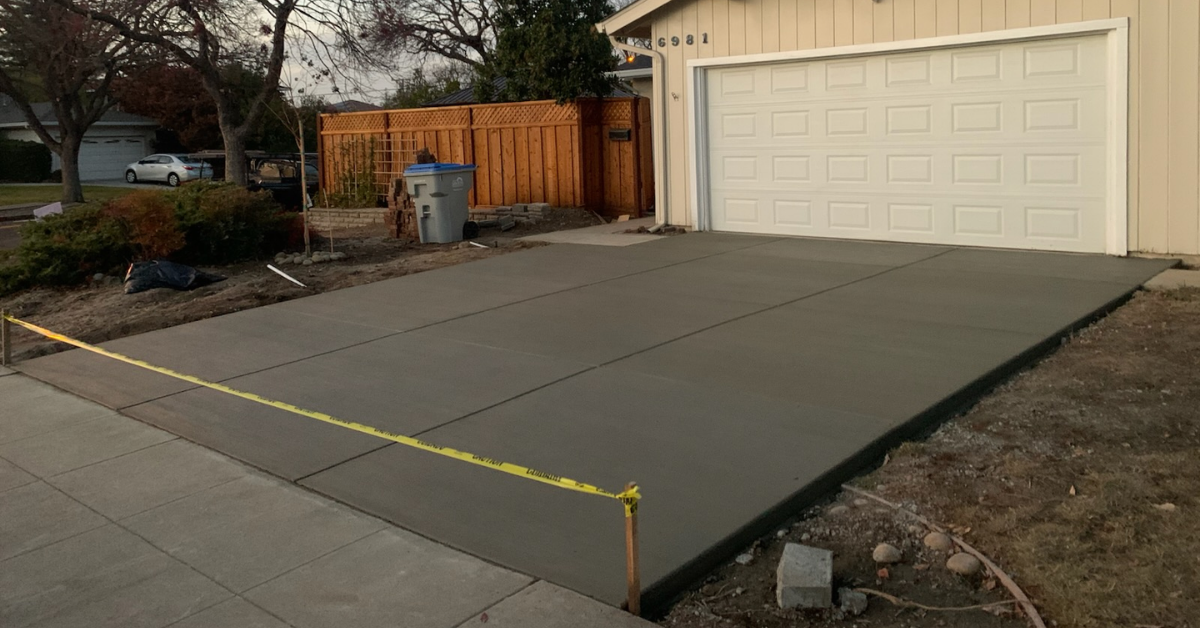
Replacing an aging driveway gives you the chance to create a cleaner, more consistent look. You can choose a traditional smooth finish or consider decorative concrete if you want more visual character.
Appearance alone does not always justify replacement. However, when cosmetic issues occur alongside structural damage, a new driveway can address both concerns at once.
3. When to Repair and When to Replace Your Driveway
Not every damaged driveway needs to be removed. The right choice depends on how much concrete has deteriorated, whether the slab remains stable, and what caused the problem.
When Repairs May Be Enough
Repair may be suitable when the damage is limited and the rest of the driveway remains structurally sound.
Examples include:
- A few isolated cracks that do not show significant movement.
- Small areas of surface deterioration.
- Minor defects that can be corrected with an appropriate patching method.
- A worn appearance that may improve with suitable resurfacing.
- Limited surface issues where the underlying slab remains stable.
Sealing, patching, and resurfacing each serve different purposes. Sealing can help protect suitable concrete against moisture and staining, while patching addresses specific damaged areas. Resurfacing adds a new layer over a properly prepared existing surface when conditions allow.
These methods cannot correct every underlying problem.
When Replacement Makes More Sense
Replacement deserves consideration when the driveway has extensive cracking, major settlement, widespread surface deterioration, or repeated failures after previous repairs.
A new slab also provides an opportunity to correct problems with the original layout, slope, or preparation.
When evaluating concrete driveway replacement in San Jose, homeowners should consider more than the immediate appearance of the concrete. They should also consider the condition of the base, drainage, access requirements, and expected use.
The most useful question is simple: Will repairing the existing driveway provide a dependable result, or will the underlying problems continue to return?
A qualified concrete contractor can inspect the site, explain the available options, and help you compare their likely costs and benefits.
4. What to Expect From a New Concrete Driveway
Replacing a driveway involves more than removing old concrete and pouring a fresh slab. Each stage contributes to the quality and performance of the finished surface.
Step 1: Inspect and Plan the Area
We begin by considering the driveway’s current condition, dimensions, access points, slope, and drainage. This assessment helps identify existing problems and determine what the new driveway needs.
It is also a good time to discuss your preferred finish, the intended vehicle use, and any changes to the layout.
Step 2: Remove the Old Concrete
When replacement is necessary, the existing slab must be removed. The amount of demolition depends on the driveway’s size, thickness, and condition.
The team must also consider nearby landscaping, garage access, walkways, and other features that could be affected by the work.
Step 3: Prepare and Compact the Base
The ground beneath the driveway plays an important role in supporting the finished slab. Loose or unsuitable material may need to be removed, and the base should be prepared and compacted according to site conditions and project requirements.
Poor preparation can contribute to settlement and cracking. Taking this stage seriously helps provide a more stable foundation for the concrete.
Step 4: Set the Forms and Plan Drainage
Forms establish the driveway’s shape and edges. The layout should account for the intended thickness, transitions, and slope.
Proper grading helps direct water away from the home and prevents unnecessary pooling. Drainage planning is particularly important where the driveway meets the garage, sidewalk, or surrounding landscape.
Step 5: Place and Finish the Concrete
The concrete is placed and finished to suit the project specifications. The mix, slab thickness, reinforcement where appropriate, joint layout, and finishing methods should reflect the expected use and site conditions.
Control joints help guide where shrinkage cracks are more likely to occur. They do not guarantee a crack free slab, but proper placement can help manage cracking.
Step 6: Allow the Concrete to Cure
Concrete needs time to develop strength. Curing helps maintain suitable moisture and temperature conditions while that process takes place.
Avoid driving on the new surface until the contractor confirms it is ready. The required waiting period depends on the concrete mix, weather, slab design, and project conditions. Concrete commonly takes around 28 days to reach its specified design strength, although that does not mean every project requires the same waiting period before use.
Following the contractor’s instructions helps protect your investment during this important stage.
5. How to Plan a Long Lasting Driveway in San Jose
A successful driveway project begins with clear priorities. Before replacing your existing surface, consider how you use the space and what you want the finished driveway to achieve.
Choose a Design That Fits Your Home
A smooth concrete finish works well with many architectural styles. It provides a simple, practical appearance that complements modern and traditional homes alike.
If you prefer more visual detail, decorative or stamped concrete can create patterns inspired by stone, brick, or other materials. Color options can also help the driveway coordinate with the exterior walls, garage door, and landscaping.
The best choice balances appearance, maintenance needs, and your budget.
Think About Drainage Before Appearance
A beautiful driveway will not perform well if water collects in the wrong places. Make drainage a priority during planning.
Consider where rainwater flows from the roof, garden, sidewalk, and driveway. The new layout should direct water appropriately without creating problems for nearby structures or neighboring properties.
Your contractor can assess the site and identify grading considerations before construction begins.
Discuss Thickness and Expected Vehicle Loads
A driveway used for everyday passenger cars may have different requirements from one that regularly supports heavier vehicles. The appropriate slab thickness, reinforcement, and base preparation depend on the intended loads and site conditions.
Avoid choosing specifications based on price alone. Ask the contractor to explain how the proposed design suits your property.
Understand the Project Cost
The price of a new driveway depends on its dimensions, demolition needs, site access, soil preparation, concrete specifications, finish, drainage work, and other project requirements.
Request a detailed estimate that explains what the price includes. This makes it easier to compare proposals and understand whether additional work may be needed.
At Baca Concrete, we offer concrete services in San Jose and provide free estimates for homeowners planning concrete projects. We can help you assess your options and plan a driveway that suits your property.
Maintain the Surface After Installation
A new driveway still needs sensible care. Remove dirt and spills when practical, avoid using unsuitable chemicals, and address drainage issues promptly.
Do not use deicing salts or harsh cleaning products without confirming that they are suitable for your concrete and local conditions. If you choose to apply a sealer, follow the product manufacturer’s recommendations for preparation, application, and reapplication.
Inspect the driveway periodically for cracks, pooling water, and signs of settlement. Addressing small concerns early may help prevent them from becoming more expensive problems.
Final Thoughts: Give Your Driveway the Attention It Deserves
Cracks, sinking sections, surface deterioration, and persistent drainage problems are signs that your driveway may need more than a quick patch. The sooner you understand the cause, the easier it becomes to choose a practical solution.
Some driveways can be restored with targeted repairs or resurfacing. Others have reached a point where replacement offers a better long-term investment. A professional assessment can help you understand the difference and plan the work with confidence.
If your driveway is showing several of these warning signs, Concrete Driveway Replacement services in San Jose can help you evaluate the condition of your existing surface and plan a suitable replacement.
Contact Baca Concrete to discuss your driveway, explore your options, and request a free estimate. A well planned concrete driveway can improve curb appeal, support everyday use, and give your property a cleaner, more dependable entrance.
6. Frequently Asked Questions About Concrete Patios
Although the main focus of this article is driveway replacement, stamped concrete is another option worth considering when planning improvements to your outdoor space. Here are answers to five common questions about stamped concrete patios.
Is stamped concrete a good choice for outdoor patios in San Jose, CA?
Yes, stamped concrete can be a good choice for outdoor patios in San Jose, CA, when it is properly designed and installed. It offers a wide range of colors and patterns and creates a continuous surface without individual paver joints.
Its performance depends on the concrete mix, base preparation, drainage, joint placement, curing, and ongoing maintenance. A suitable textured finish can also help improve traction, although the actual slip resistance depends on the finish and conditions. Discuss these details with your contractor before choosing a design.
How much does it cost to install a stamped concrete patio?
The cost depends on the patio's size, site preparation, concrete requirements, pattern complexity, color choices, access, and finishing work. Removal of an existing patio or additional grading can also affect the total.
Because these factors vary from one property to another, there is no single price that accurately covers every project. Request an itemized estimate that includes preparation, installation, decorative finishes, and any planned sealing. Comparing the full scope of work is more useful than comparing the price per square foot alone.
How do you maintain and protect a stamped concrete patio?
Sweep the patio regularly and wash away dirt with a suitable cleaning solution. Clean spills promptly, particularly substances that may stain the surface.
Inspect the concrete for cracks, drainage concerns, and worn sealer. If the patio has a protective sealer, follow the manufacturer's guidance on cleaning and reapplication. Avoid harsh chemicals and abrasive tools that could damage the decorative finish.
Good drainage also matters. Water should not remain pooled on the surface or collect against the home.
Is stamped concrete better than pavers for a modern outdoor patio?
Neither option is automatically better. Stamped concrete provides a continuous surface with patterns that can resemble stone, brick, or tile. It can create a clean, coordinated look and usually requires less routine attention to individual joints.
Pavers offer a different advantage. Individual units can sometimes be removed and replaced when damaged, and they provide flexibility for certain design and drainage requirements. However, their joints may need occasional attention, and poor base preparation can lead to uneven surfaces.
The right choice depends on your preferred appearance, budget, maintenance expectations, drainage needs, and plans for the space. Compare both options with a concrete professional before making your decision.
Leave a Reply