
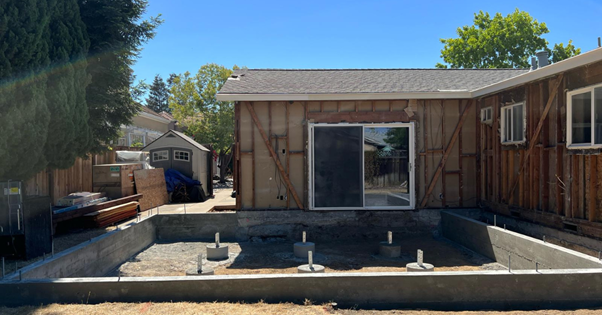
At Baca Concrete, we often get asked about cracks in concrete foundations and what they mean for a home. While some cracks are completely normal and part of the natural settling process, others can signal structural issues that need attention. Understanding the difference is essential to keeping your property safe and maintaining its value. In this blog, we’ll break down the types of cracks, their causes, and when it’s time to take action, all while highlighting the value of Concrete Foundations in San Jose and Custom Concrete Designs for both functionality and aesthetics.
Table of Contents
- Introduction to Foundation Cracks
- Normal Concrete Cracks
- Warning Signs of Serious Cracks
- Causes of Foundation Cracks
- How to Protect Your Concrete Foundation
- FAQs About Foundation Cracks
Introduction to Foundation Cracks
Concrete is one of the most durable building materials, but even the strongest Concrete Foundations in San Jose can develop cracks over time. Most homeowners notice small, hairline cracks and immediately worry about major structural damage. The truth is, some cracking is natural due to concrete shrinking as it cures or settling in the soil beneath the foundation. Our goal is to help you identify which cracks are harmless and which ones require attention.
Normal Concrete Cracks
Not all cracks are a sign of trouble. Here are a few common, harmless types:
-
- Hairline cracks: These tiny surface cracks are often caused by shrinkage as concrete dries and are generally less than 1/16 inch wide.
-
- Surface cracks: Sometimes, the top layer of concrete may crack without affecting the structural integrity.
-
- Shrinkage cracks: Concrete naturally loses water as it cures. This shrinkage can create small, random cracks across the slab.
At Baca Concrete, we emphasize using Custom Concrete Designs to manage aesthetics even in areas prone to minor cracking. Adding texture, staining, or decorative elements can make these cracks less noticeable while maintaining a strong foundation.
Warning Signs of Serious Cracks
While minor cracks are normal, some signs indicate potential structural problems:
-
- Large cracks: Cracks wider than 1/4 inch may indicate foundation movement.
-
- Diagonal or stair-step cracks: Often found in brick or concrete block walls, these cracks can signal shifting soil.
-
- Cracks accompanied by doors or windows that stick: Misaligned frames often point to foundation movement.
-
- Water seepage through cracks: Persistent moisture entering through cracks can cause long-term damage.
We recommend inspecting your foundation regularly, especially if you notice changes in size or pattern of existing cracks.
Causes of Foundation Cracks
Understanding why cracks occur helps in preventing future issues. Common causes include:
-
- Soil movement: Expansive clay soils in the San Jose area can expand and contract with moisture changes, putting pressure on foundations.
-
- Curing process: Improperly cured concrete is more prone to cracking.
-
- Tree roots: Roots growing close to foundations can disturb soil and create stress cracks.
-
- Heavy loads: Excessive weight on the foundation can lead to structural cracks.
By integrating Concrete Foundations in San Jose with thoughtful site preparation and proper curing techniques, we ensure long-lasting durability.
How to Protect Your Concrete Foundation
Prevention is key. Here are steps homeowners can take:
-
- Maintain proper drainage: Direct water away from your foundation with gutters, downspouts, and grading.
-
- Regular inspections: Check for changes in existing cracks and monitor any new developments.
-
- Landscaping care: Keep large trees and shrubs at a safe distance from your foundation.
-
- Seal minor cracks: Fill hairline cracks with high-quality sealant to prevent moisture penetration.
Our team at Baca Concrete specializes in Custom Concrete Designs that not only enhance curb appeal but also incorporate durability measures to minimize cracking risks.
FAQs About Foundation Cracks
No, small hairline and surface cracks are usually harmless and part of normal concrete settling.
Cracks wider than 1/4 inch, diagonal cracks, or those causing door and window misalignment are concerning.
Yes, with proper design and reinforcement, our foundations are built to withstand local soil conditions.
Sealing minor cracks can prevent water damage, but structural repairs are only necessary for significant cracks.
Custom designs can mask minor imperfections and ensure the concrete is poured and cured with enhanced durability.
Conclusion
Cracks in concrete are a natural part of homeownership, especially with Concrete Foundations in San Jose. While most are harmless, being informed about the types of cracks and their causes helps you maintain a safe, durable, and attractive property. At Baca Concrete, our expertise in Custom Concrete Designs ensures your foundation not only lasts for decades but also enhances the beauty of your home.

Leave a Reply