A new concrete surface can change the way a property looks and functions. But what really happens between the first estimate and the finished surface? A professional concrete installation involves much more than pouring a truckload of concrete and smoothing it out. Proper planning, site preparation, forming, placement, finishing, and curing all matter.
When we begin a project, we want our customers to know what is happening at every stage. Good communication makes the process easier, helps avoid surprises, and gives the finished concrete the best chance of performing well for years.
At Baca Concrete, we provide concrete solutions for driveways, patios, walkways, floors, steps, stamped concrete, new construction, and other projects. Our team has more than 25 years of industry experience, and we focus on quality materials, careful workmanship, and practical solutions for properties in San Jose and surrounding areas.
So, what should a homeowner expect when professional concrete work begins?
Let us walk through it.
Table of Contents
- Planning and Site Assessment
- Preparing the Property for Concrete Installation
- Concrete Installation in San Jose: Pouring and Finishing
- Curing, Inspection, and Final Care
- Concrete Services in San Jose and What Makes the Process Successful
- Final Thoughts
- Frequently Asked Questions
Planning Comes First: Understanding the Project
Before we bring equipment or concrete to a property, we need to understand what the project requires.
Every property is different. A driveway has different demands than a backyard patio. A walkway has different requirements than a garage floor. The size, shape, intended use, drainage, access, existing surface, and surrounding landscape can all influence the work.
During the initial discussion, we look at the project as a whole. We consider what the customer wants to accomplish and what the property can realistically support.
This is also the stage where details such as dimensions, layout, finish, color, texture, and access are discussed.
For example, a homeowner may want a simple concrete patio for outdoor seating. Another customer may want a decorative stamped surface that adds more visual character. Someone replacing a driveway may care more about durability, vehicle access, drainage, and a clean transition to the street.
These choices need to be addressed before installation begins.
We also discuss the condition of the existing area. If old concrete is present, removal may be needed before new work can start. If the ground needs preparation, that work needs to be planned as part of the project.
A good installation starts with a good plan.
That may sound simple, but it is one of the most important parts of the entire process.
Preparing the Property for Concrete Installation
Once the project plan is established, preparation begins.
This is the stage many homeowners do not see as part of the finished product, but it can have a major impact on the result.
The work area may need to be cleared of furniture, plants, decorative items, vehicles, or other obstacles. Customers should also make sure there is a clear path for workers and equipment.
Depending on the project, existing concrete or other materials may need to be removed. The ground is then prepared for the new surface.
We pay close attention to the base because concrete needs proper support underneath it. The soil and base materials need to be prepared and compacted appropriately for the project.
Drainage is another important consideration.
Water needs somewhere to go. If the surface is not properly planned, water can collect where it should not. Proper grading and slope can help direct water away from structures and toward suitable drainage areas.
For steps and similar installations, site preparation is especially important. Baca Concrete notes that its concrete step installation process includes preparing and compacting the ground, addressing grading and slope, building forms, placing concrete, and applying the selected finish or decorative pattern.
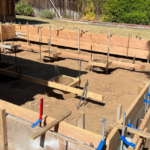
We also establish forms.
Forms help define the shape and dimensions of the new concrete. They act as a guide during placement and help create clean edges.
This is where the project begins to look more like the final design.
For homeowners, the preparation stage is also a good time to ask questions. Where will people walk? Where will vehicles enter? Where should water flow? Are there landscaping features that need protection?
Thinking about these details early can make the installation smoother.
Concrete Installation in San Jose: Pouring and Finishing
Now comes the part most people picture when they hear the words concrete installation.
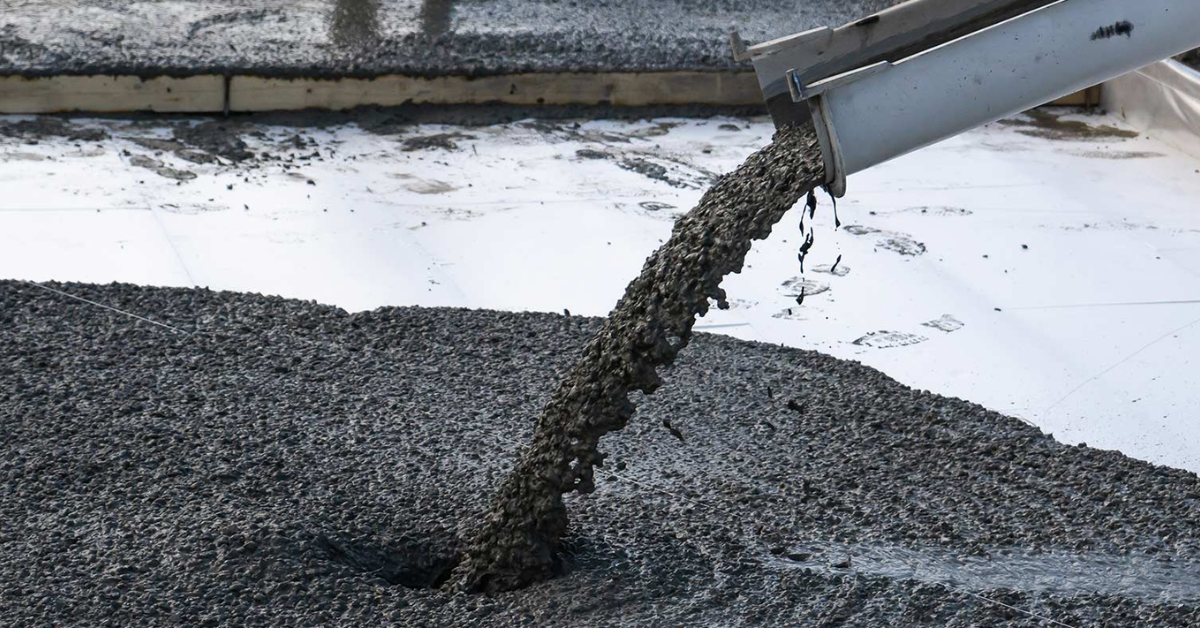
The concrete arrives, is placed in the prepared area, and the finishing process begins.
But even here, there is much more involved than simply pouring concrete.
The concrete needs to be placed efficiently and distributed throughout the forms. Our team works to keep the material properly positioned while maintaining the planned shape and elevation.
Then comes leveling.
The surface is worked to create the desired profile and finish. Depending on the project, the final appearance may be smooth, textured, stamped, colored, or designed to resemble another material.
Stamped concrete is one example.
Baca Concrete offers stamped concrete installation for patios, driveways, walkways, sidewalks, fire pits, outdoor kitchens, and pool decks. Customers can select patterns and colors that can create the appearance of materials such as brick, tile, slate, flagstone, or wood.
Finishing must happen at the right stage.
Too much manipulation at the wrong time can affect the surface. Too little attention can leave an inconsistent finish. Experienced crews understand that timing matters because concrete changes as it sets.
The weather also matters.
Hot, dry, windy conditions can influence how quickly moisture leaves the surface. Cooler conditions can slow the setting process. Rain can interfere with finishing and may affect freshly placed concrete.
That is why professional crews watch the conditions before and during installation.
For a homeowner, this can sometimes mean that the exact schedule changes. That is not necessarily a bad thing. Protecting the quality of the finished concrete is more important than rushing the job.
A professional installation is about knowing when to move forward and when conditions call for caution.
Curing, Inspection, and Taking Care of New Concrete
Once the surface has been finished, the work is not quite over.
Concrete needs time to cure and gain strength. Curing is different from simply waiting for the surface to feel hard.
Fresh concrete can appear ready before it has reached its intended strength. That is why we tell customers to follow the use restrictions provided for their specific project.
The time before normal use depends on factors such as the concrete mixture, weather, project type, thickness, and intended load.
For many residential projects, people are often surprised by how much patience is required during this stage.
A driveway, for example, needs to be treated differently from a small walkway. Heavy loads should not be introduced too early.
We also inspect the finished work and make sure the project area is left in good condition.
This is a good time for the homeowner to look closely at the new surface and ask any final questions about care.
Simple habits can help keep concrete looking good.
Avoid unnecessary exposure to harsh conditions during the early curing period. Keep heavy traffic away until the recommended time has passed. Follow any sealing or maintenance recommendations provided for the particular finish.
For decorative concrete, ongoing care can be especially important because the surface appearance is part of the investment.
Baca Concrete offers concrete flooring, patios, driveways, walkways, stamped concrete, concrete overlays, resurfacing, and other concrete solutions designed for different residential and commercial needs.
The goal is not simply to finish the pour.
The goal is to deliver a surface that works well for the property and the people using it.
Concrete Services in San Jose: What Makes a Project Successful?
A successful concrete project usually comes down to several things working together.
First is planning.
We need to understand the purpose of the surface, the property conditions, and the customer’s expectations.
Second is preparation.
A beautiful finish cannot make up for poor preparation underneath. The area needs to be ready before concrete placement begins.
Third is timing.
Concrete is a material that changes during the installation process. Placement, leveling, finishing, and curing all happen within specific windows.
Fourth is communication.
Homeowners should know what to expect, what they need to prepare, and when the surface can safely be used.
Finally, experience matters.
Concrete projects can look straightforward from the outside, but each site has its own challenges. Access may be difficult. The ground may need extensive preparation. Drainage may need attention. A decorative finish may require careful timing and skilled application.
Our approach is to look at the entire project instead of focusing only on the concrete itself.
Baca Concrete is locally based in San Jose and describes itself as a family owned, licensed, and insured concrete company. Its website also states that the company has more than 25 years of experience and offers free estimates.
That local experience can be valuable when planning concrete work for a San Jose property.
Final Thoughts
A professional concrete project should never feel like a mystery.
From the first conversation to the final curing period, every stage has a purpose. Planning helps establish the right design. Preparation creates a suitable base. Careful placement and finishing shape the surface. Proper curing gives the concrete time to develop strength.
When we work on a concrete project, our goal is to make the process clear and straightforward for the customer.
If you are considering a new driveway, patio, walkway, concrete floor, steps, stamped surface, or another project, start by discussing your property and goals with an experienced local contractor.
For homeowners looking for Concrete Installation in San Jose, Baca Concrete provides a range of concrete solutions and offers free estimates for projects in San Jose and surrounding areas. A strong finished surface starts long before the concrete is poured.
Frequently Asked Questions
How long does a typical concrete installation take?
The installation time depends on the size and complexity of the project. A smaller walkway may take considerably less time than a large driveway or patio. Site preparation, removal of existing material, access, design details, weather, and finishing requirements can all affect the schedule. Your contractor should provide a project specific timeline.
How should I prepare my property before concrete installation begins?
Clear vehicles, furniture, outdoor decorations, plants, and other items from the work area when possible. Keep access paths clear and make sure workers can reach the installation area safely. If you have questions about landscaping, gates, pets, parking, or access during construction, discuss them with your concrete contractor before work begins.
What factors can affect the timeline of a concrete installation project?
Several factors can affect timing. These include project size, site preparation, existing concrete removal, access to the property, concrete availability, design details, temperature, wind, rain, and curing requirements. Unexpected site conditions can also change the schedule. A professional contractor should communicate significant changes as the project progresses.
How long does new concrete need to cure before it can be used?
Concrete continues gaining strength after it becomes firm to the touch. The appropriate waiting period depends on the mixture, weather, thickness, and intended use. Light foot traffic and vehicle traffic may have different recommendations. We recommend following the specific instructions provided for your project rather than relying only on how hard the surface feels.
Leave a Reply