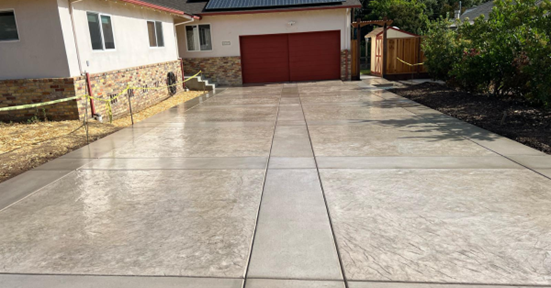
Cracked concrete is something almost every property owner faces at some point. Whether it is your driveway, patio, walkway, or foundation slab, cracks can appear due to weather changes, moisture movement, or simple ageing. The good news is that most cracks can be repaired effectively when handled correctly. In this guide, we walk you through how we approach Concrete Repair with proven methods, practical experience, and a focus on long-lasting results.
Table of Contents
- Why Concrete Cracks in the First Place
- How to Repair Cracked Concrete Like a Pro
- Choosing the Right Concrete contractor
- When to Repair vs Replace Concrete
- Preventing Future Cracks
- FAQs
- Final Remarks
Why Concrete Cracks in the First Place
Before we jump into Concrete Repair, it is important to understand why cracks happen. Concrete is strong, but it is not flexible. Over time, stress builds up and the surface gives way.
Here are the most common reasons we see-
- Temperature changes that cause expansion and contraction
- Poor installation practices
- Excess moisture or improper drainage
- Heavy loads placed on weak slabs
- Natural settling of the ground
At Baca Constructions, we have seen all types of cracks, from hairline surface lines to wider structural issues. Each one requires a different approach, and that is where experience matters.
How to Repair Cracked Concrete Like a Pro
When it comes to Concrete Repair, there is no one-size-fits-all solution. We evaluate each crack carefully before choosing the right method.
Step 1: Inspect the Crack
We start by identifying the type and severity. Hairline cracks are usually cosmetic, while wider cracks may indicate structural concerns.
Step 2: Clean the Area
Dust, debris, and loose concrete must be removed. We typically use a wire brush or pressure washing to ensure proper bonding.
Step 3: Apply the Repair Material
Depending on the crack, we use-
- Concrete patching compound
- Epoxy injections
- Polyurethane sealants
These materials are designed to bond tightly and restore the surface strength.
Step 4: Smooth and Finish
We level the repaired area to match the surrounding surface. A clean finish makes the repair almost invisible.
Step 5: Cure Properly
Curing is critical. Rushing this step can weaken the repair. We always allow proper drying time to ensure durability.
As a professional Concrete contractor, we focus not just on fixing the crack but on preventing it from returning.
Choosing the Right Concrete contractor
Not all repairs are created equal. Hiring the right Concrete contractors can make a huge difference in the lifespan of your repair.
Here is what we recommend looking for-
- Proven experience in Concrete Repair
- Transparent pricing and honest assessments
- Use of high-quality materials
- Strong local reputation
At Baca Constructions, we take pride in offering practical solutions instead of temporary fixes. Our goal is to provide repairs that last, not just look good for a few months.
When to Repair vs Replace Concrete
One of the most common questions we get is whether to repair or replace.
Repair is the best option when
- Cracks are small to moderate
- The slab is still structurally sound
- The damage is limited to surface areas
Replacement may be needed when
- Cracks are wide and deep
- There is major shifting or sinking
- The concrete has extensive deterioration
We always guide our clients honestly. Sometimes a simple Concrete Repair saves thousands, while other times replacement is the smarter long-term investment.
Preventing Future Cracks
Once your concrete is repaired, the next step is protecting it.
Here are some proven tips-
- Seal the surface to block moisture
- Ensure proper drainage around the area
- Avoid heavy loads on weak sections
- Schedule regular inspections
Prevention is always more cost-effective than repair. As a trusted Concrete contractor, we emphasize maintenance as much as installation.
Read this too- How to Repair a Concrete Sidewalk?
FAQs
Can cracked concrete be repaired?
Yes, most cracks can be repaired effectively. The success depends on the size, depth, and cause of the crack. Proper Concrete Repair can restore both appearance and strength.
Can you put a skim coat of concrete over existing concrete?
Yes, a skim coat can be applied if the existing surface is stable and properly prepared. This method is often used to refresh worn surfaces and improve appearance.
How long does concrete take to dry?
Concrete typically sets within 24 to 48 hours, but full curing can take up to 28 days. Drying time depends on weather conditions, thickness, and the materials used.
How do I know if I need a professional Concrete contractor?
If the cracks are wider than a quarter inch, continue to grow, or affect structural stability, it is best to call a professional. Expert evaluation ensures the right repair method is used.
Final Remarks
Cracked concrete may seem like a small issue at first, but ignoring it can lead to bigger problems over time. With the right approach, tools, and expertise, Concrete Repair can restore both function and appearance.
At Baca Constructions, we believe in doing the job right the first time. Our approach is simple. We assess carefully, repair properly, and help you protect your investment for years to come.
If you are dealing with cracked concrete, taking action now can save you time, money, and stress later.